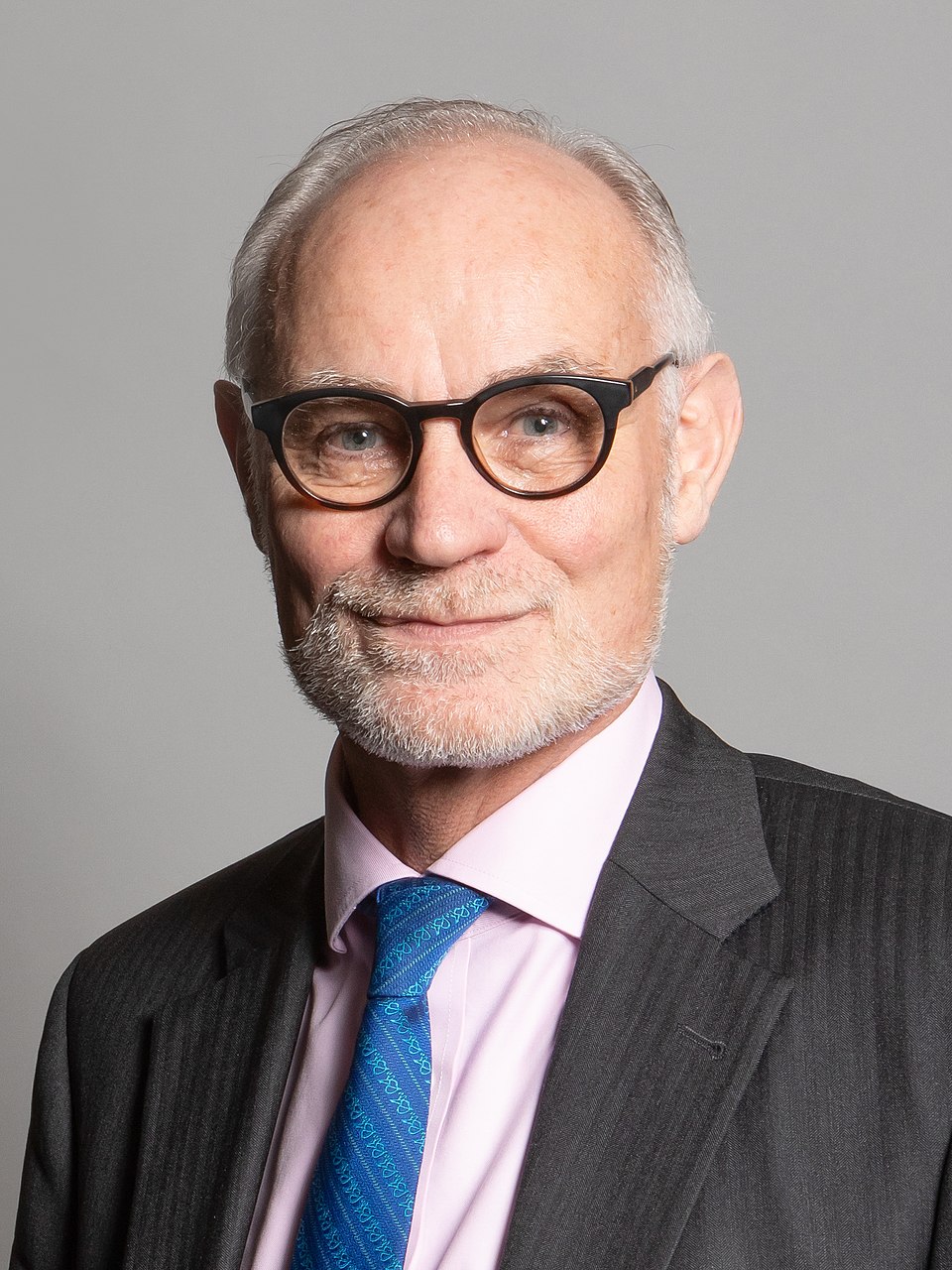
Crispin Blunt's Story: A Public Figure's Private Revelation
In the often scrutinised world of British politics, personal announcements from public figures can ripple with significant implications, both for the individual and the wider societal conversation. One such moment arrived in 2010 when Crispin Blunt, a prominent Conservative Member of Parliament for Reigate and then-Prisons Minister, made a deeply personal revelation: he was gay. This disclosure, accompanied by the news of his separation from his wife, Victoria, after two decades of marriage, sparked widespread interest, naturally prompting many to ask: Is Crispin Blunt gay?
Blunt's journey of coming to terms with his sexuality, and his brave decision to share it publicly, offers a compelling insight into the challenges and triumphs faced by individuals in the public eye who navigate their private identities. His story is not just about a politician; it's a testament to personal courage, the complexities of family life, and the evolving landscape of political and social acceptance in the United Kingdom.
The Courageous Revelation: Crispin Blunt's Personal Journey
Crispin Blunt's announcement was made with a candidness that resonated across the political spectrum. In a statement released via the ConservativeHome website and subsequently by his office, he confirmed his separation from his wife, Victoria, stating that he had "decided to come to terms with his homosexuality." This wasn't a forced disclosure but a deliberate, personal choice to live authentically. At 50 years old and a father of two, the decision to openly embrace his sexual identity marked a significant turning point in his life.
Before his political career, Blunt served with distinction in the Armed Forces for 11 years, reaching the rank of captain in the Royal Hussars, with postings in Cyprus, Germany, and the UK. His background, steeped in a traditionally conservative institution, underscored the personal journey he undertook. Elected as MP for Reigate in 1997, he had built a formidable career, holding various frontbench roles during the Tories' time in opposition before becoming a junior minister in the Department of Justice within the coalition government. His revelation was a moment of profound vulnerability for a man who had dedicated much of his life to public service, challenging preconceptions and paving the way for greater openness.
Navigating Family Dynamics: Impact and Privacy
The core of Crispin Blunt's statement highlighted the profound impact his decision had on his family. He explicitly stated, "There is no third party involvement but this is difficult for his immediate and wider family and he hopes for understanding and support for them." This clarification was crucial, emphasising that his separation was a direct consequence of his coming to terms with his sexuality, not an external affair.
His appeal for privacy for his family as they dealt with "difficult private issues" underscored the sensitive nature of the situation. While public figures live under constant scrutiny, the emotional toll of such a personal announcement, particularly on spouses and children, is immense. Blunt's request served as a reminder of the human element behind political headlines, stressing the importance of respecting the personal space of those caught in the public gaze.
Tips for Navigating Public Personal Revelations:
- Prioritise Family Communication: As Crispin Blunt demonstrated, informing and explaining the situation to immediate family members before a public announcement is paramount.
- Request for Privacy: Clearly communicate the need for personal space for family members to process and adapt.
- Manage Speculation: Address potential rumours or misconceptions proactively, as Blunt did with his "no third party involvement" clarification.
- Seek Support Systems: Encourage individuals and families to lean on trusted friends, counsellors, or support groups during such transitions.
Unwavering Political Support: A United Front
Crucially, Crispin Blunt's announcement was met with an immediate and unequivocal show of support from the highest echelons of his party. Prime Minister David Cameron promptly indicated his "full confidence" in Blunt, affirming his continued role as Parliamentary Under Secretary at the Ministry of Justice. This swift endorsement sent a clear message that personal identity would not impede his professional capacity or standing within the government.
The support extended beyond Westminster to his constituency. Andrew Mountney, chairman of the Reigate and Banstead Conservative Association, articulated the local sentiment: "We are absolutely standing by him... It's a personal matter, something that Crispin and his family are working through privately and they should be given space to do that. We give him our full support." Mountney highlighted Blunt's popularity and electoral success, stating, "He has done very well as our MP over the last 14 years and we want him to continue to do so."
This widespread backing reflected a significant shift in political attitudes. In previous eras, such a revelation could have been career-ending. Blunt's experience, however, demonstrated a growing maturity within British politics, where an individual's sexual orientation was increasingly viewed as a private matter separate from their public service. This support was instrumental in allowing Blunt to navigate his personal transition while maintaining his political effectiveness. For more on the specifics of his coming out, read Crispin Blunt Comes Out: Minister Reveals Gay Identity & Separation.
Beyond the Personal: Crispin Blunt's Public Service and Policy Role
During this period, Crispin Blunt wasn't just managing a personal transition; he was actively engaged in his ministerial duties. As Prisons Minister, he was responsible for critical penal policy and finding savings in the prisons budget. He even made headlines for his controversial call to relax rules banning comedy gigs and other recreational events in prisons, a proposal swiftly ruled out by No 10. His ability to continue with such demanding public responsibilities while navigating a profound personal change speaks volumes about his resilience and commitment to his role. His long and distinguished career, from his military service to his multiple frontbench roles, solidified his standing as a dedicated public servant. To delve deeper into the decision behind his public announcement, consider Conservative MP Crispin Blunt: His Private Decision to Come Out.
The Broader Context: LGBTQ+ Representation in Politics
Crispin Blunt's story is a vital chapter in the broader narrative of LGBTQ+ representation and acceptance in British politics. His decision to come out, particularly as a Conservative minister, challenged stereotypes and contributed to a more diverse and inclusive political landscape. At the time, while the number of openly gay MPs was growing, it was still a significant step for a serving government minister from a traditionally conservative party.
His experience helped to normalise the presence of LGBTQ+ individuals in positions of power, demonstrating that one's sexual orientation is irrelevant to one's capacity for leadership or public service. Such visibility is crucial, providing role models for younger generations and fostering a more accepting society. It underscores the progress made in the UK towards equality, where personal identity is increasingly seen as an asset rather than an impediment in public life. The journey from silence to open acceptance for figures like Crispin Blunt reflects a positive societal evolution.
Conclusion
Crispin Blunt's revelation that he is gay and his subsequent separation from his wife marked a significant moment in both his personal life and the public discourse surrounding LGBTQ+ issues in politics. His courageous decision to live authentically, coupled with the immediate and robust support from his party and constituents, showcased a maturing political environment in the UK. His story is a powerful reminder of the personal strength required to navigate identity in the public eye, the importance of family understanding, and the progressive strides society has made in embracing diversity. His legacy extends beyond policy, contributing to a more open and accepting political landscape where the question, "Is Crispin Blunt gay?" is answered not with controversy, but with respect for his personal truth and continued public service.